Techniques for Optimizing Small Spaces
In an age where urban living is becoming increasingly common, optimizing small spaces has become a priority for many homeowners. This article discusses effective techniques that can help create a more functional living area.
Understanding the Basics of Space Optimization
According to industry experts, space optimization involves rearranging existing furniture, decluttering, and employing smart storage solutions. The principle behind this approach is to enhance the usability of every square foot while maintaining a comfortable and aesthetically pleasing environment.
"Research consistently shows that well-organized spaces can improve productivity and reduce stress by up to 30% in many users."
Practical Application Techniques
Here are some actionable techniques to help you optimize small spaces:
- Multi-Functional Furniture: Invest in pieces that serve multiple purposes, such as a bed with built-in storage or a coffee table that doubles as a workspace. These can significantly reduce clutter.
- Vertical Space Utilization: Experts recommend using wall-mounted shelves and vertical storage solutions to maximize the space available. This technique often involves a little DIY, but the results can free up valuable floor space.
- Decluttering Systems: Implement a straightforward decluttering system, such as the one-in-one-out rule, which states that for every new item you bring into your home, you must remove one. This method can help maintain organization over time.
The Importance of Room Layout
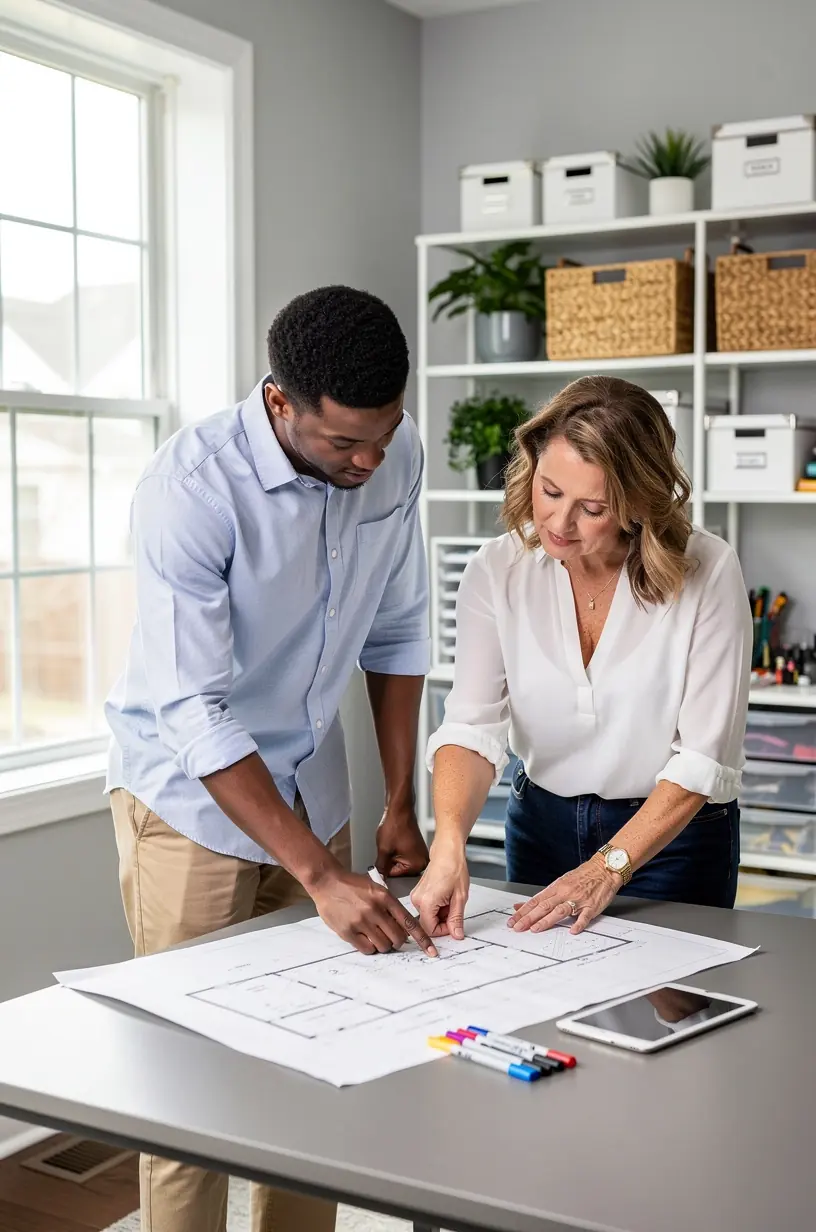
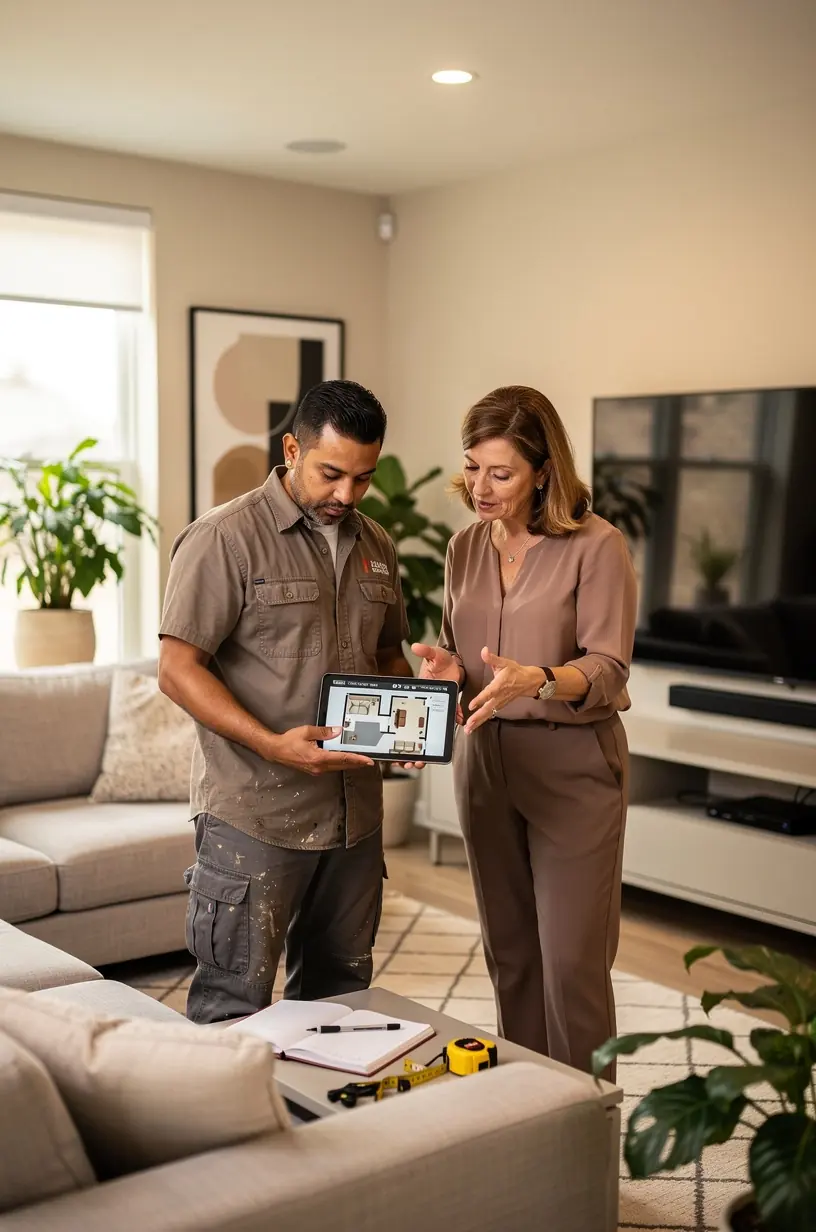
In most cases, the layout of a room plays a significant role in its functionality. When planning a layout, consider the flow of movement and how you use the space. Here are a few principles to keep in mind:
- Define Activity Zones: Create distinct zones for different activities, such as sleeping, working, and relaxing. This helps in optimizing the layout for daily tasks.
- Open Spaces: Avoid overcrowding rooms with furniture. Leaving pathways clear can create an illusion of more space, making the area feel less cramped.
- Natural Light: Utilize natural light to enhance the perception of space. Light colors on walls and strategically placed mirrors can reflect light and make rooms appear larger.
Conclusion
Optimizing small spaces is a practical endeavor that involves thoughtful planning and execution. While results typically become evident over a few weeks, the techniques discussed can help improve functionality and comfort in tight living areas. Remember, the process requires dedication and a willingness to adapt your space as your needs evolve. By following these guidelines, you can create a harmonious environment that maximizes your living space.