The Role of Light in Home Organization
Understanding how light interacts with your home organization can significantly enhance the functionality and aesthetics of your space. This article explores the impact of light on organization and offers practical insights into optimizing your home environment.
Understanding the Basics of Light in Home Spaces
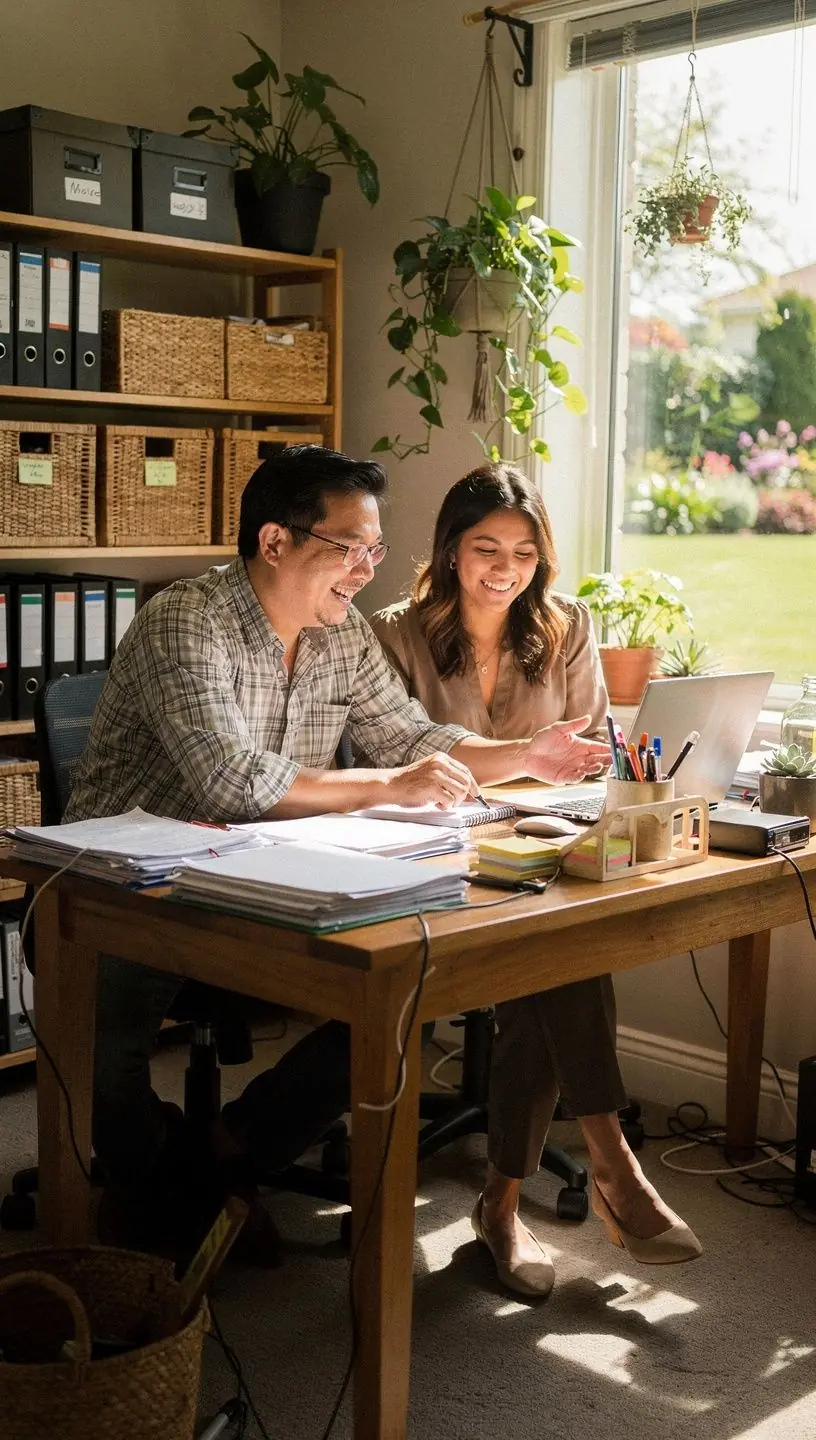
Light plays a crucial role in our daily lives, influencing not only how we perceive our surroundings but also how effectively we can perform tasks. According to studies, proper lighting can increase productivity by up to 20-30% in workspaces. In home organization, this means that a well-lit environment can help you focus better, leading to more efficient decluttering and organizing processes.
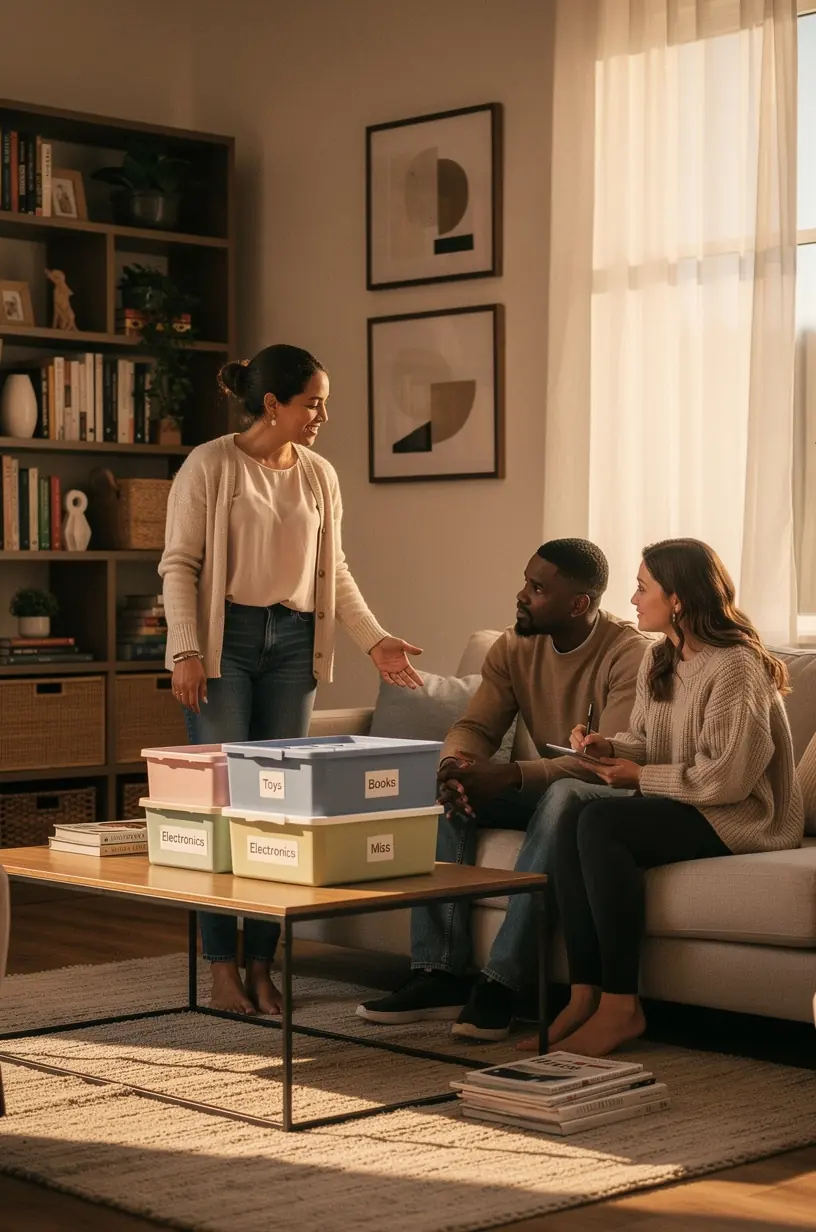
"Natural light not only enhances the aesthetic appeal of a room but also positively affects our mood and energy levels." – Home Design Expert
The Types of Lighting to Consider
There are generally three types of lighting to consider when organizing your home:
- Ambient Lighting: This is the general illumination of your space, typically provided by ceiling fixtures. It creates a comfortable level of brightness throughout the room.
- Task Lighting: Focused lighting designed for specific tasks, such as reading or cooking. Desk lamps and under-cabinet lights fall into this category, helping to highlight work areas.
- Accent Lighting: Used to highlight specific areas or objects, such as artwork or architectural features. Accent lighting adds depth and dimension to a space.
How to Optimize Light for Home Organization
To maximize light’s impact on your home organization, consider the following practical applications:
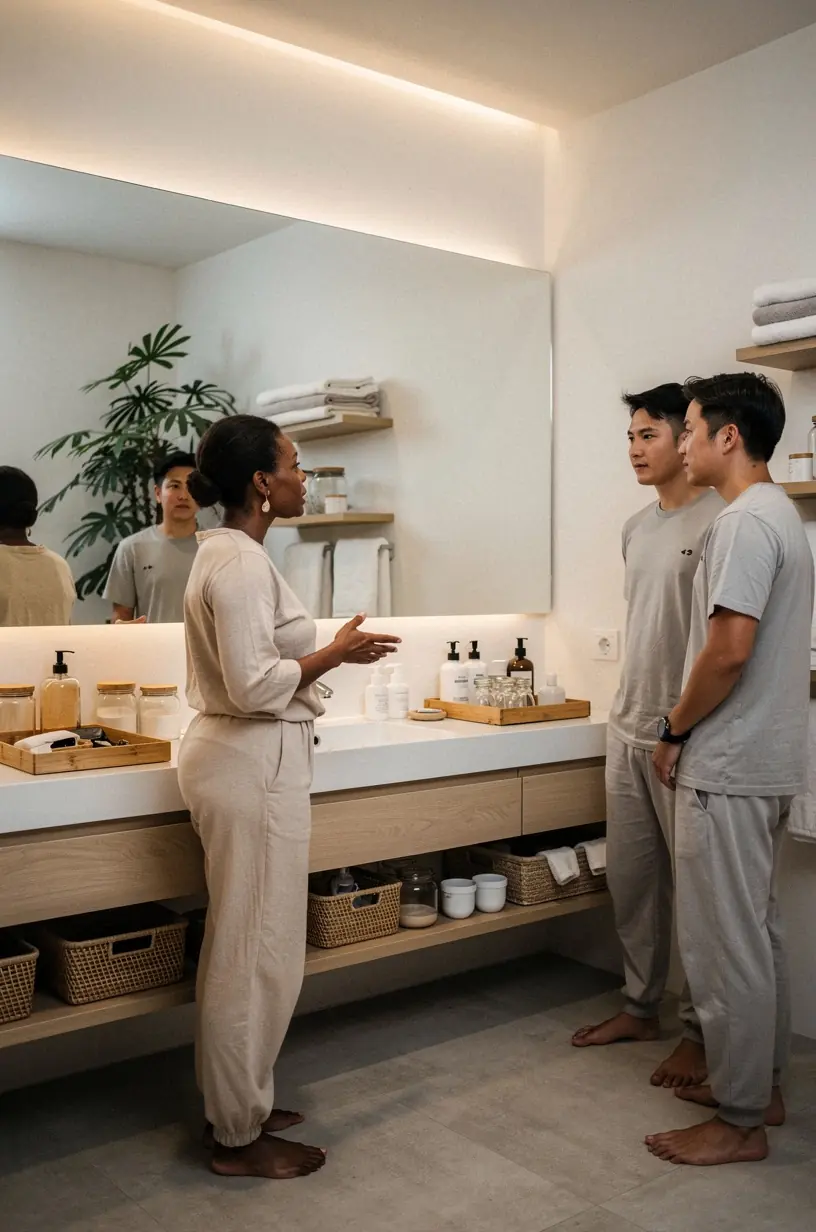
- Utilize Natural Light: Whenever possible, allow natural light to flood your rooms. Research indicates that exposure to natural light can boost mood and enhance cognitive performance. Position mirrors to reflect light and create the illusion of a larger, brighter space.
- Layer Your Lighting: Incorporate a mix of ambient, task, and accent lighting to create a well-balanced atmosphere. This approach caters to various tasks and activities, often making spaces feel more inviting and functional.
- Choose the Right Bulbs: Consider using LED bulbs with a color temperature of around 3000K to 4000K. This range mimics natural light and has been shown to improve concentration and reduce eye strain, making it ideal for organizing tasks.
Maintaining Balance: Acknowledging Limitations
While optimizing lighting can significantly enhance your organizational efforts, it is essential to acknowledge that changes may take time to implement. Creating a well-lit environment often requires:
- Time to evaluate and adjust existing fixtures or layouts, which typically takes 1-2 weeks for noticeable changes.
- Effort in selecting and installing the right lighting options, which may involve a learning curve for those unfamiliar with home improvement.
In most cases, combining lighting strategies works best when tailored to individual preferences and room functions. Not every solution will be ideal for every space, so consider trial and error as part of your process.
Conclusion: Harnessing Light for Better Organization
Understanding the role of light in home organization not only enhances the efficiency of your space but also contributes to a more enjoyable living environment. By applying practical strategies, such as utilizing natural light, layering your lighting, and choosing the right bulbs, you can create an atmosphere that supports both functionality and well-being.
Remember, while these steps can lead to improved organization and productivity, results will vary based on individual circumstances and commitment to the process. Embrace the journey of optimizing your home environment, and enjoy the benefits that thoughtful lighting can bring.
Learn More